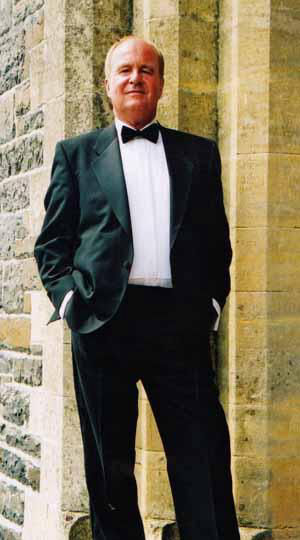
Michael J. Lewis
Michael J. Lewis, born on November 26, 1939, is a British film composer known for his exceptional contributions to the world of film and television music. With a career spanning several decades, Lewis has left an indelible mark on the industry with his emotive and evocative compositions.
Lewis began his musical journey at the Royal Academy of Music in London, where he honed his skills and developed a deep understanding of classical and contemporary music. His early career involved collaborations with notable artists, including serving as an orchestrator for renowned composer John Barry.
In the 1960s and 1970s, Michael J. Lewis transitioned into film scoring, marking the beginning of a prolific chapter in his career. His work often demonstrated a versatility that allowed him to compose for various genres, from suspenseful thrillers to heartfelt dramas. One of his notable early works includes the score for the psychological thriller "The Medusa Touch" (1978).
Lewis continued to build a reputation for his ability to craft memorable and impactful film scores. His compositions are characterized by a keen understanding of storytelling, with music that enhances the emotional depth of cinematic narratives. The score for the film "The Silent Touch" (1992) is another example of his ability to complement visuals with a captivating musical backdrop.
Throughout his career, Michael J. Lewis's work extended beyond the silver screen. He contributed to television productions, earning acclaim for his television scores, including those for "Brideshead Revisited" (1981) and "The Thorn Birds" (1983).
While his name may not be as widely recognized as some of his contemporaries, Michael J. Lewis remains a respected figure in the realm of film composition, appreciated for his craftsmanship and the enduring impact of his musical contributions to storytelling in cinema and television.